About Us
About Blupi Dog Training
The name Blupi comes from the animals who first inspired my training journey: my rabbit Blu Blu and my Syrian hamster Pisiform.
Through training, Blu learned to voluntarily rest his head in my hand during his yearly health checks, allowing the vet to examine his teeth carefully and slowly. For rabbits, dental health is one of the foundations of quality of life, so making the examination voluntary and relaxed was very important for him.
Pisiform, in her senior years, learned to hold a syringe herself and take her pain relief voluntarily. This helped her receive conservative treatment successfully and avoid anaesthesia and surgery. She could also respond to her name, which made it easier for me to observe her condition and wellbeing.
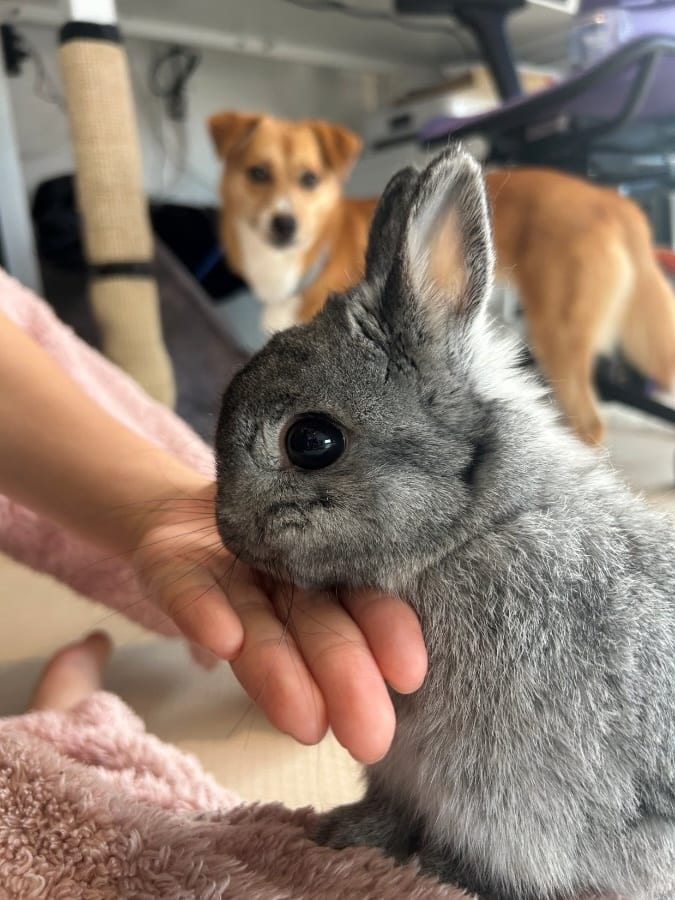
They helped me understand how important training can be for an animal's quality of life.
About Me
I believe that one of the greatest joys of living with a dog is being able to relax and share everyday life together — walks, travel, family gatherings, camping, hiking, and simple daily moments. However, these expectations are sometimes disrupted by behaviours such as barking, lunging, snapping, or over-arousal. Dogs are expressing their emotions and needs in the only ways they know how — but these signals can feel unfamiliar and stressful for humans, often leaving families unsure what to do.
My work is to help you and your dog build a new way of communicating — strengthening your relationship while handling real-life situations with greater calm, clarity, and confidence.
My training journey began at Blue Cross in the UK, where I was first introduced to positive reinforcement–based training — an approach built on respect and understanding, without force or intimidation. Later work in wildlife hospitals and at London Zoo further strengthened my belief that:
Across species, lasting and stable behaviour change grows from a sense of safety.
To deepen my professional practice, I studied with ABTC-accredited mentors, trained under the PACT courses. The programmes included Applied Behaviour Analysis—adapting principles from human education and psychotherapy across species—as well as specialised pathways on evolution and behaviour theory-based reactivity, and safety-focused, in-the-moment intervention for dog aggression.
Alongside my studies, I worked in dog welfare and behaviour at Battersea Dogs & Cats Home, and I currently continue my professional practice in collaboration with a dog training facility in West London.
I specialise particularly in supporting urban families facing challenges such as:
• Reactivity (barking, lunging, over-response)
• Aggression risk management and behaviour adjustment
• Fear-, anxiety- or excitement based behaviours
• Urban environment adaptation
My approach is consistent and welfare-centred: evidence-based and positive reinforcement-based training aligned with PACT and ABTC code of conduct. The goal is to build emotional stability, environmental adaptability, social skills, cognitive enrichment, and clear, gentle communication between dogs and their humans.



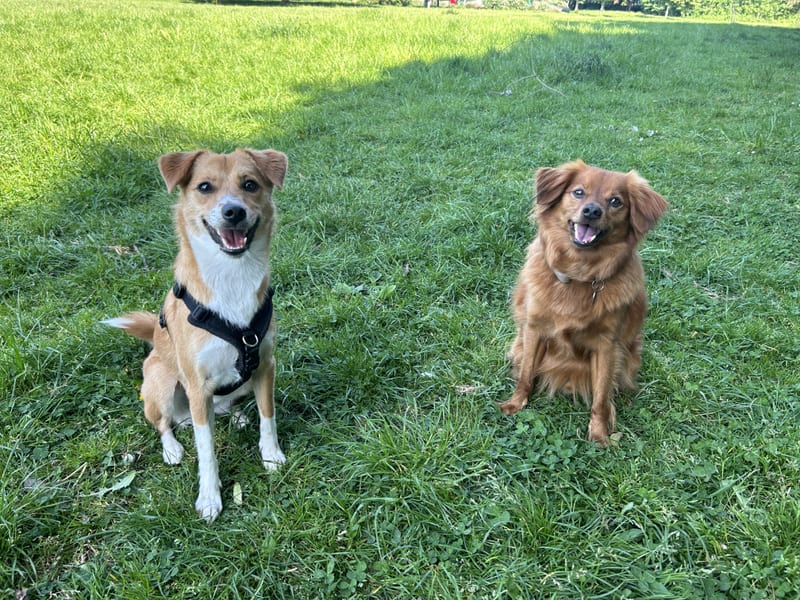
About Prof — Our Co-Trainer Dog
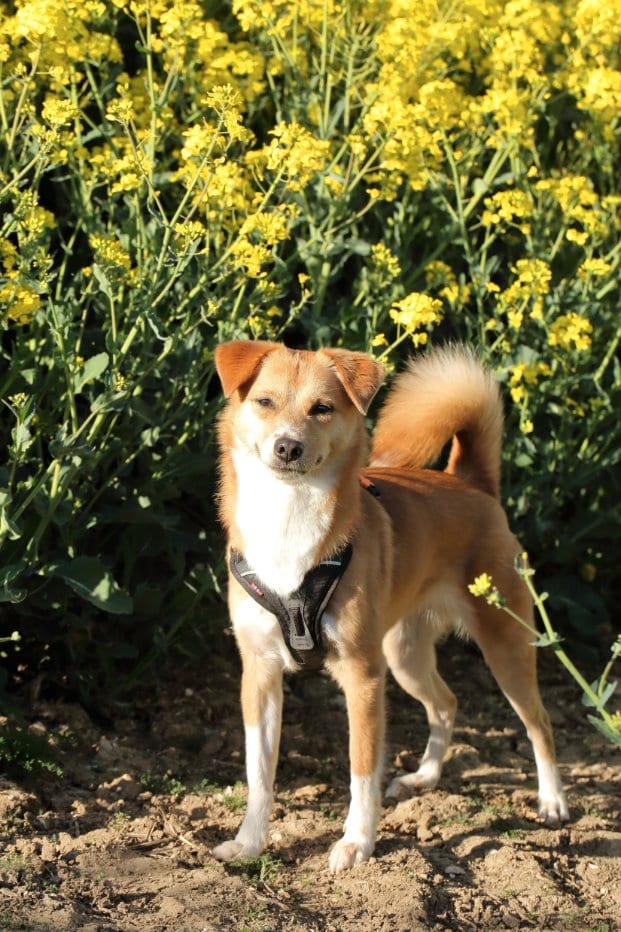
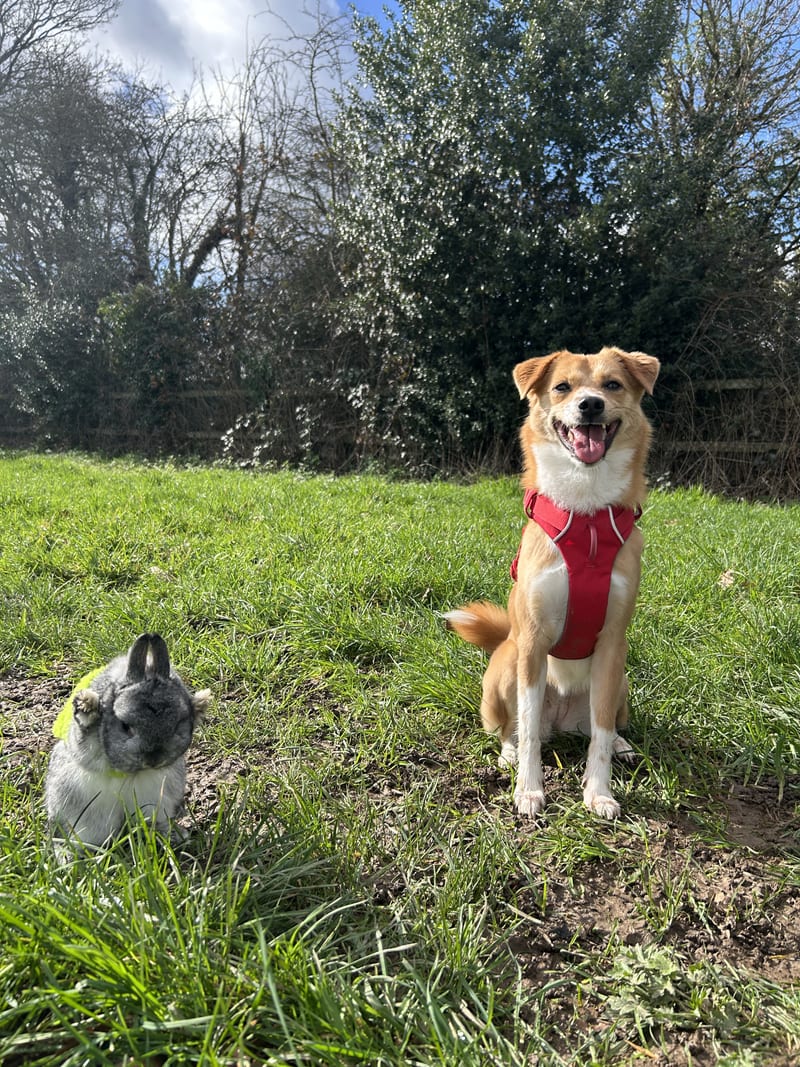
One of my most important teachers in this journey is my co-trainer dog, Prof (Prof. Bar — a playful nod to Pavlov).
She was a street puppy surviving alone before eight weeks of age. When we met, the world felt overwhelming and dangerous to her — sounds, movement, strangers, and other dogs often triggered fear responses. She struggled with strong reactivity, social pressure, resource guarding, and indoor anxiety.
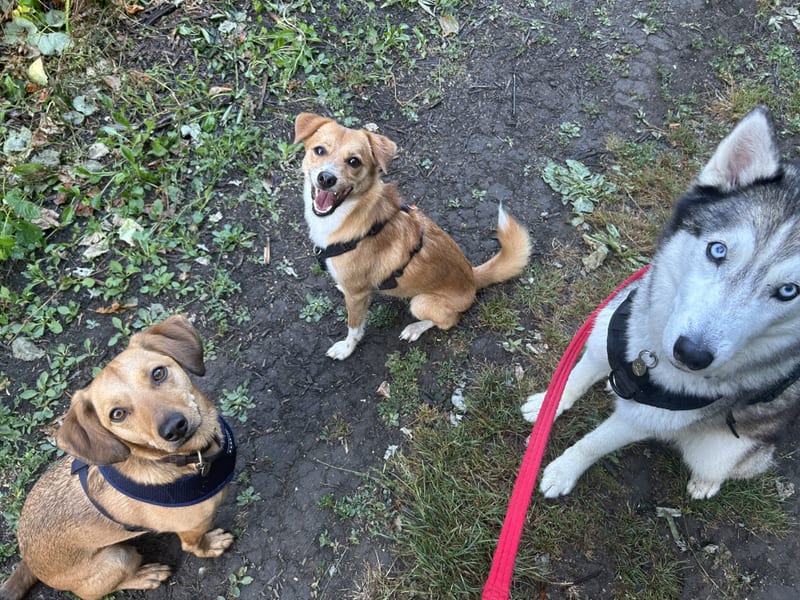
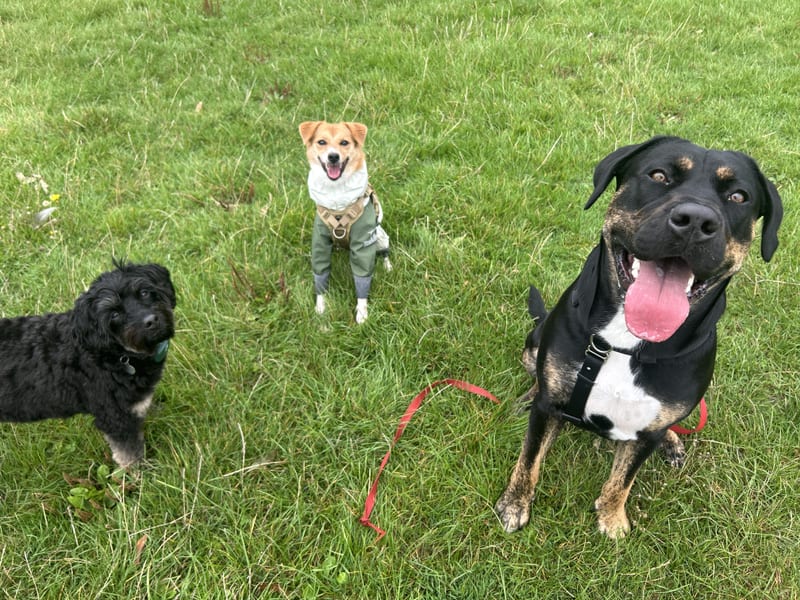
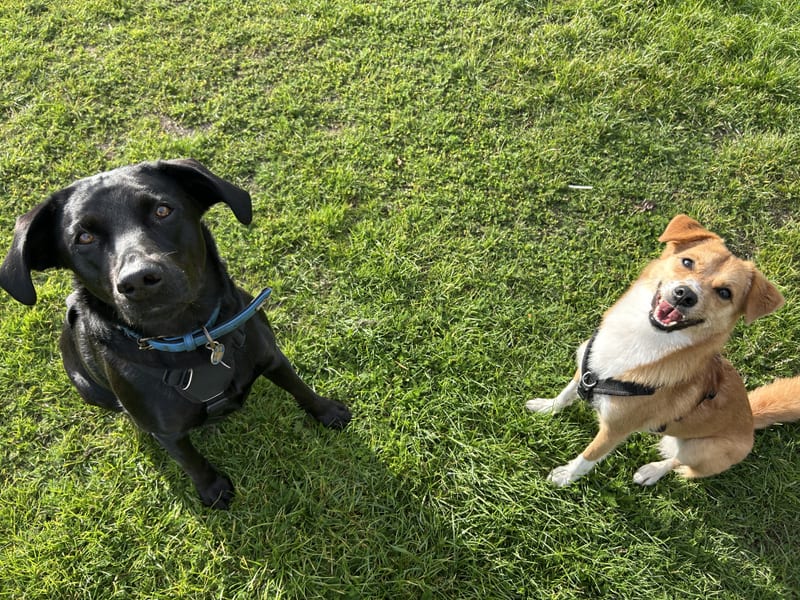
Through structured positive reinforcement-based training — supported by her early rescuers, her first trainer, and several stable mentor dogs — she gradually learned calmness and built confidence. From a highly sensitive puppy who required a quieter training environment, she has grown into a stable urban dog in Central London and now supports other dogs in training settings.
Prof, acting as a social coordinator, demonstrates calm social interaction, shared space skills, and emotional regulation. She shows that meaningful behaviour change is built on understanding, patience, consistency, and adapting to each individual dog:
Deep and lasting behaviour change is rooted in understanding, patience, consistency, self-adjustment, and finding ways of living and working together that truly suit both dog and human.
Every family working through behavioural challenges deserves support and understanding. If you are feeling concerned or overwhelmed by your dog’s behaviour, we are here to walk that journey with you.